Klarent: autonomous QA for web and mobile
Updated · 5 min read
- autonomous qa
- agentic testing
- release management
Klarent is agentic QA for web, iOS and Android. As a Founding Product Engineer, my role moves with what it needs: now product design, engineering and marketing.

Sanu Krishnan· Founding Product Engineer at Klarent
TL;DR
- Klarent is an autonomous QA platform for web, iOS and Android: you describe a test in plain English, and AI agents write it, run it and fix it when the app changes.
- Six agents split the work (Explorer, Planner, Coder, Verifier, Runner and Notifier), and every test is real code that runs the same way each time.
- When the app changes, Klarent proposes a fix as a step-by-step diff that you approve before anything is applied.
- I'm a Founding Product Engineer at Klarent. My work has moved from product design and front end to, right now, mostly design, content and marketing.
Klarent is an autonomous QA platform for web, iOS and Android apps. Describe a test in natural language, or just hand it your app or URL: its agents explore the product, find the critical user journeys, write tests for them, run them and fix them when the app changes. It’s built for teams shipping faster than they can test.
Why does Klarent exist?
Klarent exists because code is now being written faster than anyone can check it. The founders, Asheem Panakkat and Momchil Ivanov, spent close to 20 years at Google between them. They worked on products like Lens and Shopping. Asheem led engineering teams there for 12 years, and Momchil was a Staff Engineer in Zurich.
At Google they could see two things coming. LLMs were going to get very good, and the amount of software shipped was going to grow fast. That raised a simple question: when coding agents write more and more of the code, who keeps them honest?
They started out building evals for LLMs, then realised the bigger problem was QA itself. Testing is what decides whether any of that code can be trusted. So in 2023 they started Klarent in Zurich, with a clear rule: use AI to write deterministic test code, not to guess its way through a test run.
In October 2026, Klarent raised an $8M seed round led by Mosaic Ventures, with Moonfire Ventures and angels including former Google Director Jürgen Galler. The money is going into growing in the US, the engineering team and the web and mobile product.
What Klarent actually does
The easiest way to explain Klarent is with one test. Say you run an online store and want to check that filtering by price works. In Klarent, you write:
Search for @product, priced between @minimum_price and @maximum_price.
That’s the whole test. Klarent opens the store, works out the steps, and shows a screenshot of every one of them. The @ words are variables, so the same sentence can check a jacket under $100 today and a pair of shoes over $200 tomorrow.
Behind that sentence, Klarent writes real test code that runs the same way every time. You can open the Code tab and read it. Most people never need to, which is rather the point.
How does Klarent work?
Klarent splits the work between six AI agents, the same way a QA team would split it between people:
- Explorer maps the app’s screens, flows and states.
- Planner decides the next move and designs the tests.
- Coder writes the test code.
- Verifier checks the result, with a screenshot as proof.
- Runner runs the suite.
- Notifier sends the results to Slack, Teams or email.
You don’t have to start from a blank page, either. Point Klarent at a URL, a PRD, a Jira ticket or a Figma file, and it suggests test scenarios for you to accept or reject.
When the app changes
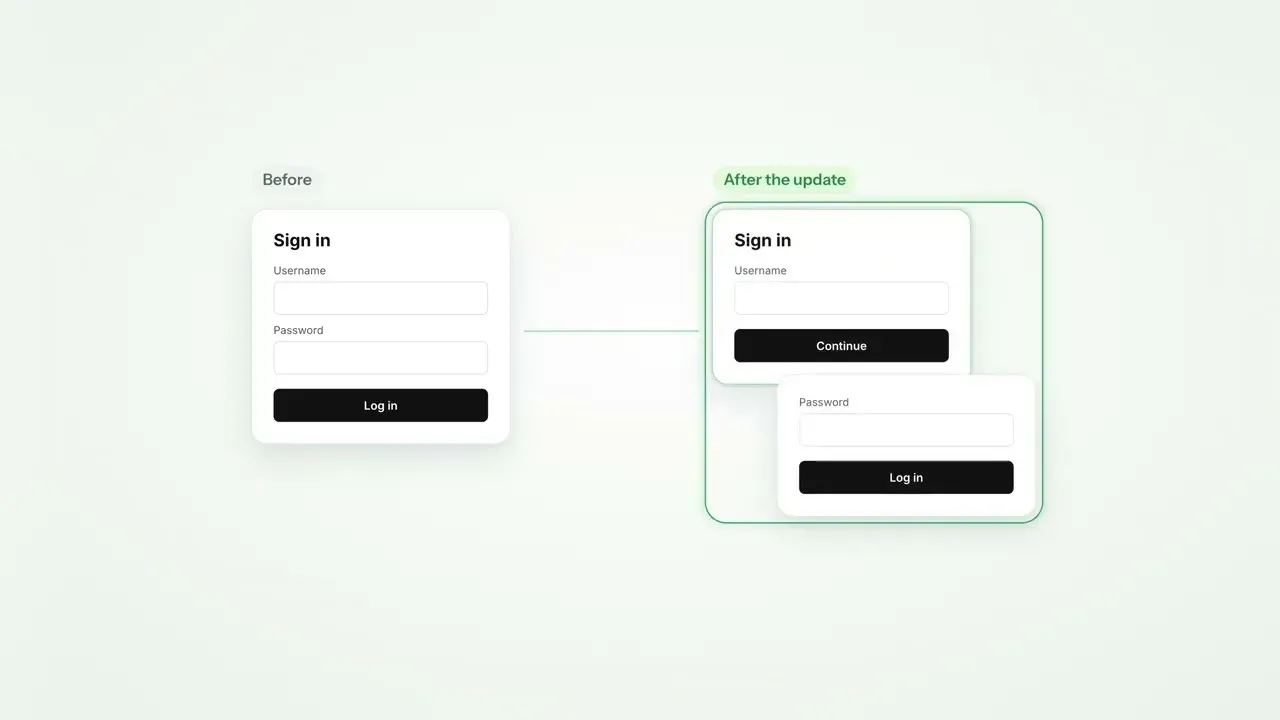
This is where most test suites fall apart. A designer splits the sign-in page into two steps, the Log in button becomes Continue, and every test that signs in breaks.
Klarent notices the change, works out the new flow, and proposes a fix. You see a step-by-step diff and approve it before anything is applied. And when a test fails for a real reason, you can step through it screenshot by screenshot and edit any step.
Testing real mobile apps
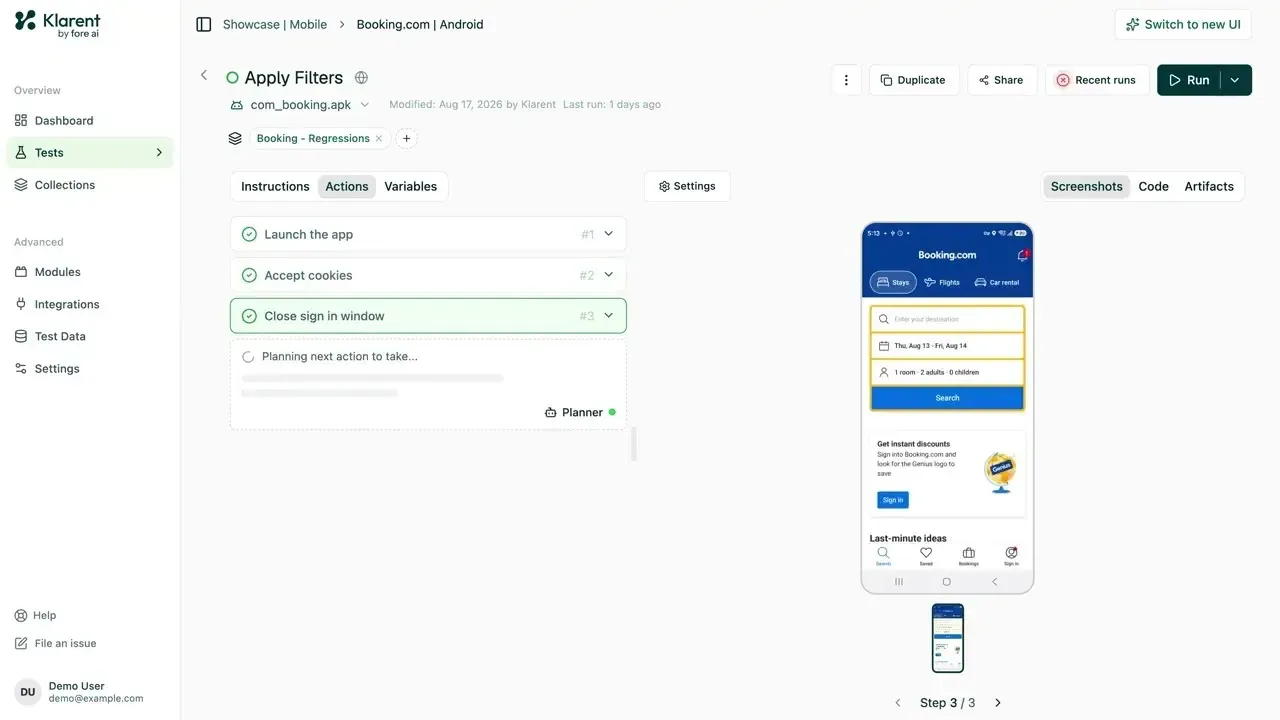
The same plain-English tests work on iOS and Android. You upload an APK or IPA, or point Klarent at a build from your CI, and the tests run on real devices in the cloud. It works with native apps, React Native and Flutter.
Where it fits in a team’s workflow
Klarent runs tests on demand, on a schedule, or on every pull request before it’s merged. It connects to GitHub, GitLab, Bitbucket, Azure DevOps, Jenkins, Jira and Linear. Runs happen in parallel across Chromium, Firefox and WebKit.
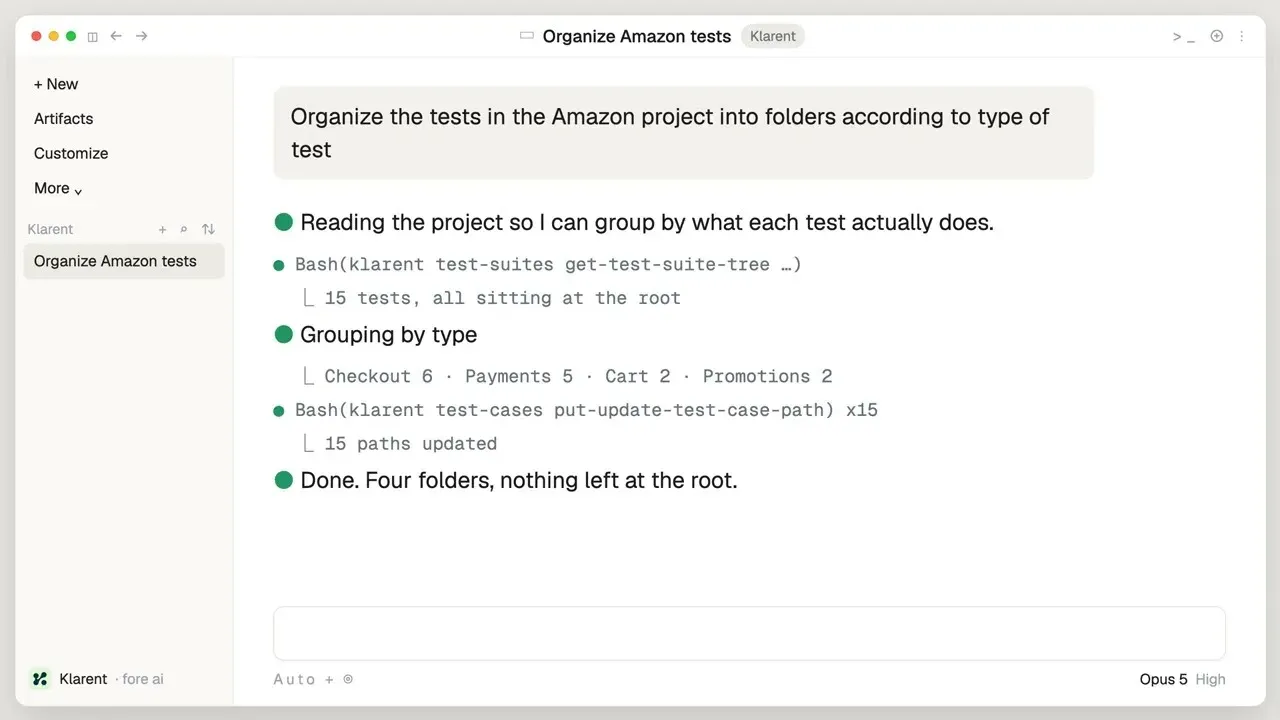
The newest piece is the Klarent CLI, which lets an AI coding agent use Klarent directly. Ask your agent to tidy up a project, and it reads the tests, groups them and moves them into folders on its own. The agents now have their own QA team.
For bigger companies, Klarent is ISO 27001 certified and SOC 2 compliant. It can run in the cloud, in a private cloud or on-premises.
Who uses Klarent?
Teams at Google, UBS, Uber, Sixt, JD Sports, NZZ, Swiss Marketplace Group and OnlineFuels use Klarent, along with banks and insurers. Across customers, Klarent reports up to 90% less testing effort and teams shipping 3–5× faster. About 90% of tests succeed on the first run, and setting one up takes under five minutes.
My role
I joined Klarent when TestMagic, the API testing tool I built, merged into it. My job here doesn’t sit still. It moves with whatever the product needs most at the time.
So far that has meant designing the screens and building a good part of the front end, and picking up full-stack work when a feature needs it. Right now it’s mostly product design, content and marketing. Marketing is newer ground for me, and I’m learning as I go.
The part I keep coming back to is the gap between the agents and the people using them. The agents can do a lot, but none of it matters if a QA lead can’t see what happened, trust it and fix it in a minute. Whatever I’m working on that month, a lot of it comes down to making that part feel simple.
Of everything I’ve worked on, Klarent is the one I enjoy most. The people are great, and the problem is one that keeps getting more important.
Videos
Klarent’s YouTube channel has short demos of each part of the product.
- Autonomous QA demo: the whole product in a few minutes.
- Autonomous mobile testing: plain-English tests on iOS and Android.
- How test healing works: fixing tests when the app changes.
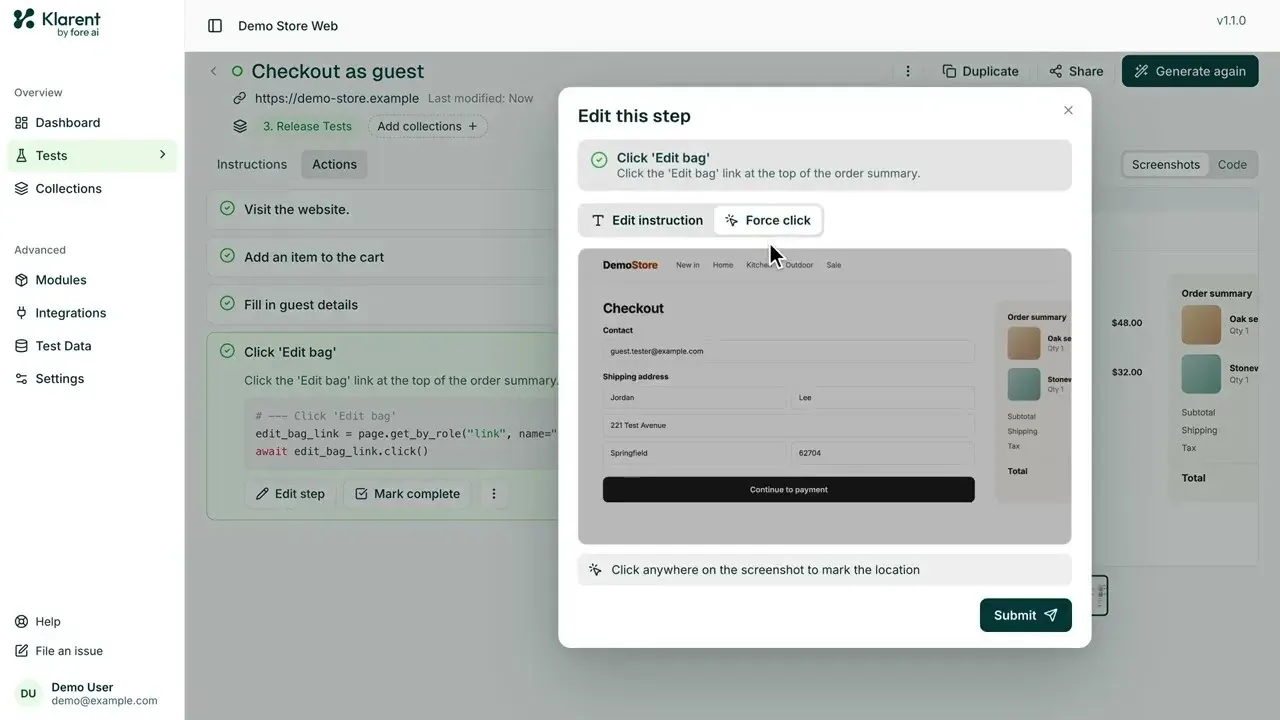 Debugging and healing tests: stepping through a failure and fixing it.
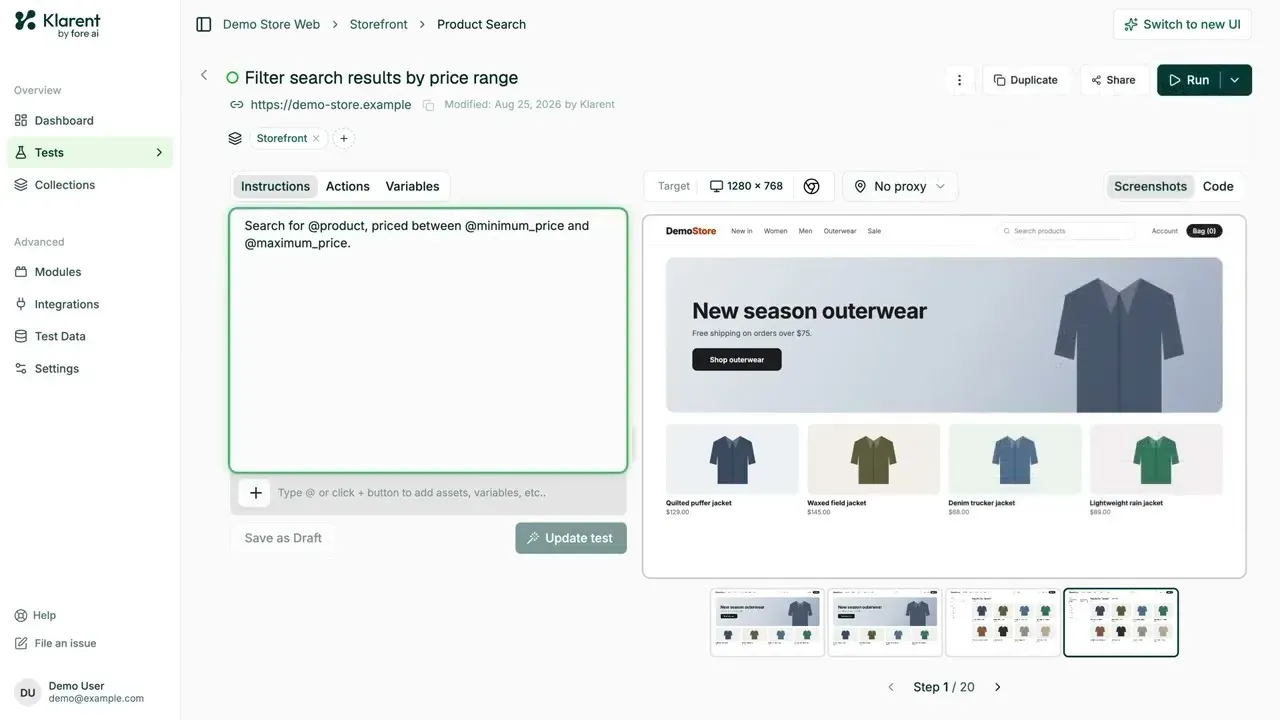 One test, many situations: variables and reusable tests.
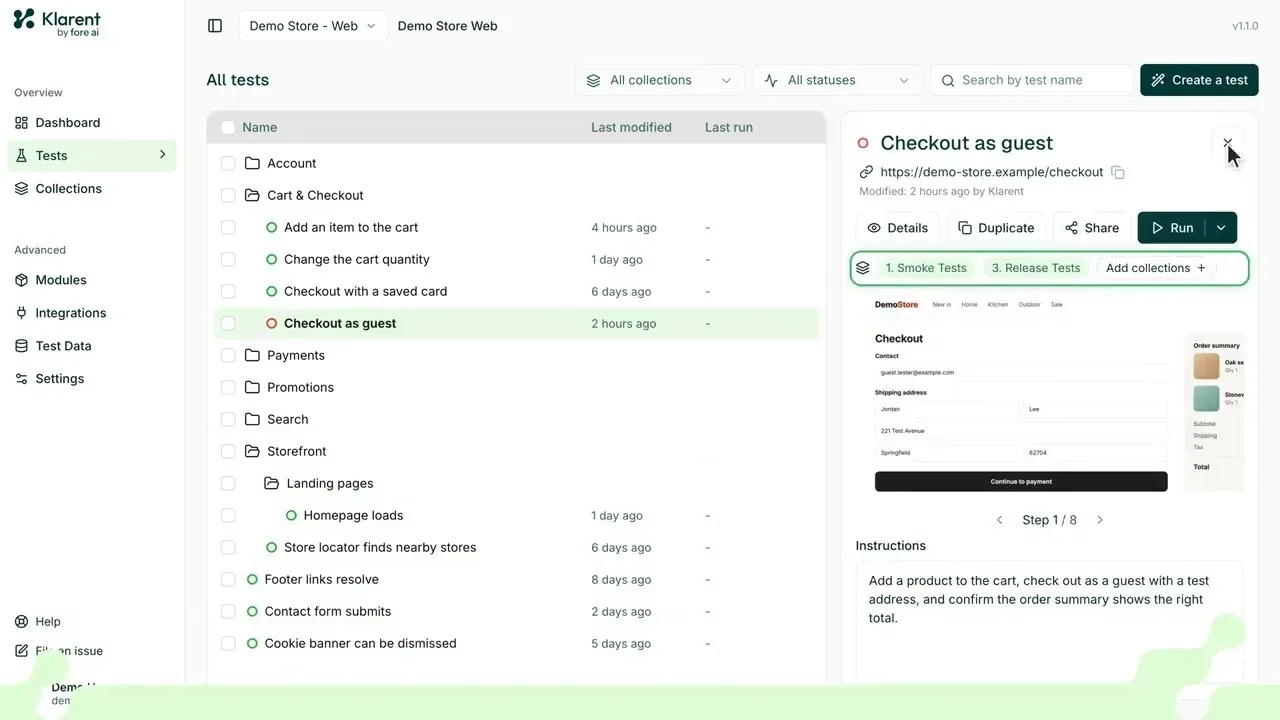 Test management, simplified: projects, folders and suites.
 Test every pull request: from a PR link to tests in one prompt.
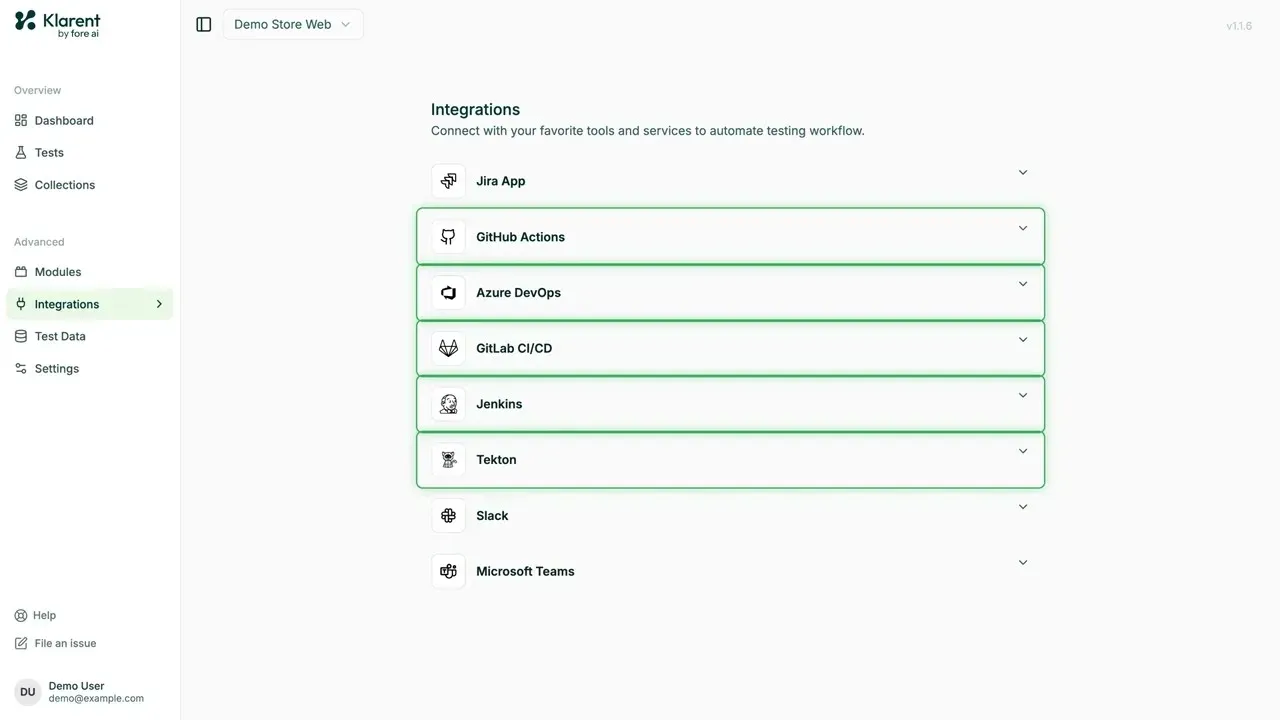 Testing in your CI/CD pipeline: running tests on every release.
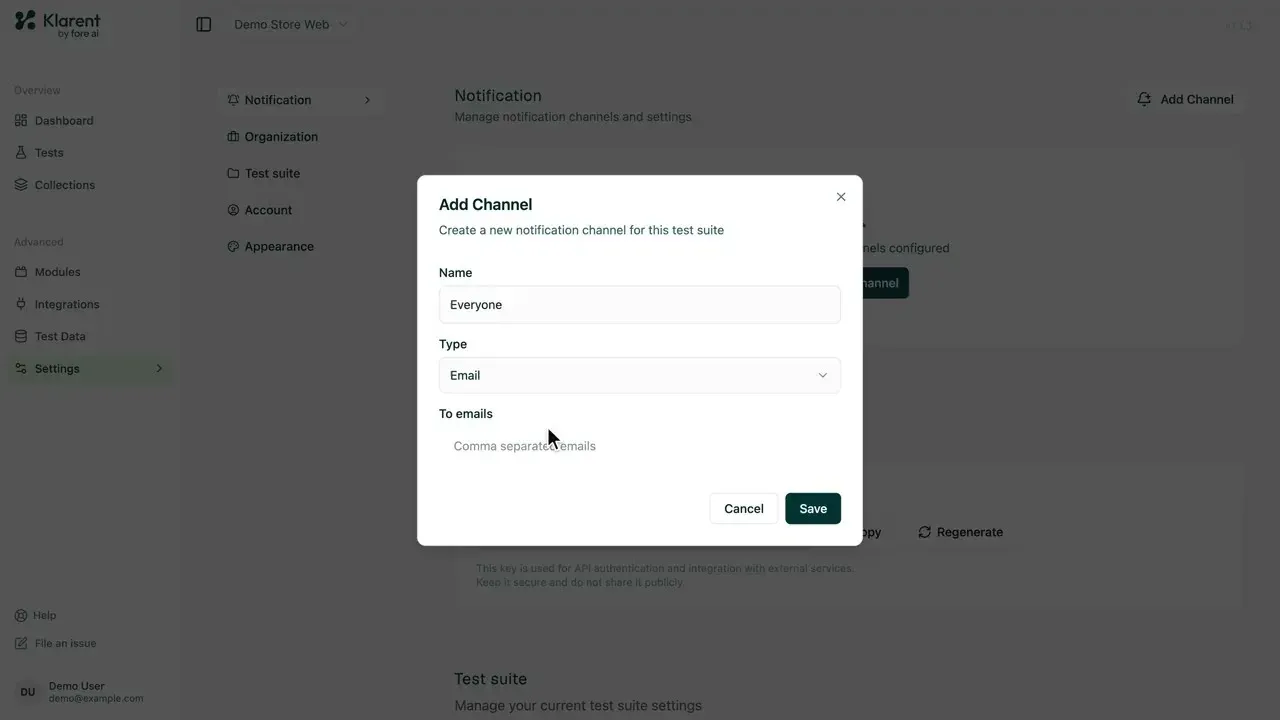 Alerts and notifications: results in email, Slack and Teams.
- Introducing the Klarent CLI: all of Klarent, inside your AI agent.
You can try Klarent for free. For how I got here, see the About page.
Frequently asked questions
What is Klarent?
Klarent is an autonomous QA platform for web, iOS and Android apps. You describe a test in natural language, or hand it your app or URL, and its agents explore the product, write tests for the critical user journeys, run them and fix them when the app changes.
Does Klarent use AI to run the tests?
AI writes and maintains the tests, but the tests themselves are real test code that runs the same way every time. You can open the Code tab and read it.
Can Klarent test mobile apps?
Yes. You upload an APK or IPA, or point Klarent at a build from your CI, and plain-English tests run on real iOS and Android devices in the cloud. It works with native apps, React Native and Flutter.
Who founded Klarent?
Asheem Panakkat and Momchil Ivanov, who spent close to 20 years at Google between them. They started Klarent in Zurich in 2023, and it raised an $8M seed round in October 2026.
What is your role at Klarent?
I'm a Founding Product Engineer, so my work moves with what the product needs most. I've designed screens and built a good part of the front end; right now it's mostly product design, content and marketing.