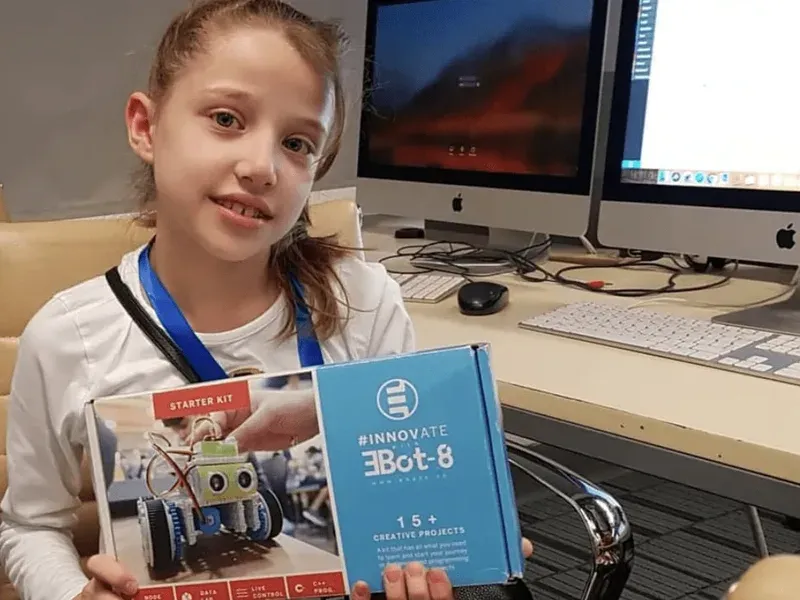
EBot: a STEM education robotics kit
Updated · 6 min read
- hardware
- education
- arduino
EBot was a STEM education kit (2015–2022): bricks, gears, motors and sensors around one board, programmed with drag-and-drop blocks on mobile or desktop.

Sanu Krishnan· Founding Product Engineer at Klarent
TL;DR
- My first product: a robotics kit for students and makers, made in Kuwait and in use from 2015 to 2022.
- Students built with Lego-like bricks, motors and sensors around one board, then programmed it with drag-and-drop blocks on a phone or a computer.
- About 10,000 units were made, and more than 100,000 students learned with it.
- I was the first engineer: I designed the PCB and worked on the firmware and the desktop and mobile apps, together with the team as it grew.
EBot was a STEM education kit for building and programming robots, made in Kuwait between 2015 and 2022. Students snapped Lego-like plastic bricks, gears, shafts, motors and sensors around a single controller board, then programmed what they built with drag-and-drop blocks on a phone or a computer. More than 100,000 students learned with it, and it was my first product.
EBot is discontinued. The product ran from 2015 to 2022, and its website is no longer live. The links at the end of this page are the best way to see what it was and how people used it.
How did I end up building EBot?
After my master’s, I co-founded Armino Technologies, a technology service company. We did a bunch of projects remotely with Ahmad Al-Saleh, and with every project the working relationship grew.
Ahmad had an idea for a robotics kit, and it won funding from KFAS, the Kuwait Foundation for the Advancement of Sciences. So he invited me to Kuwait to build the product and start the team around it. I joined Creative Bits as its first engineer.
We started with the idea and built everything from scratch: the board, the plastic kit, the firmware and the apps.
What was in the EBot kit?
EBot was never just a circuit board. It was a whole building system: Lego-like plastic bricks, electronics, and software to program them. Every part could connect to every other part, so one box held 15+ projects.
- Plastic kit: Lego-like interlocking bricks, gears and shafts.
- Electronics: motors, sensors and the main board that tied it all together. I designed the PCB.
- Software: apps for mobile and desktop to program the board.
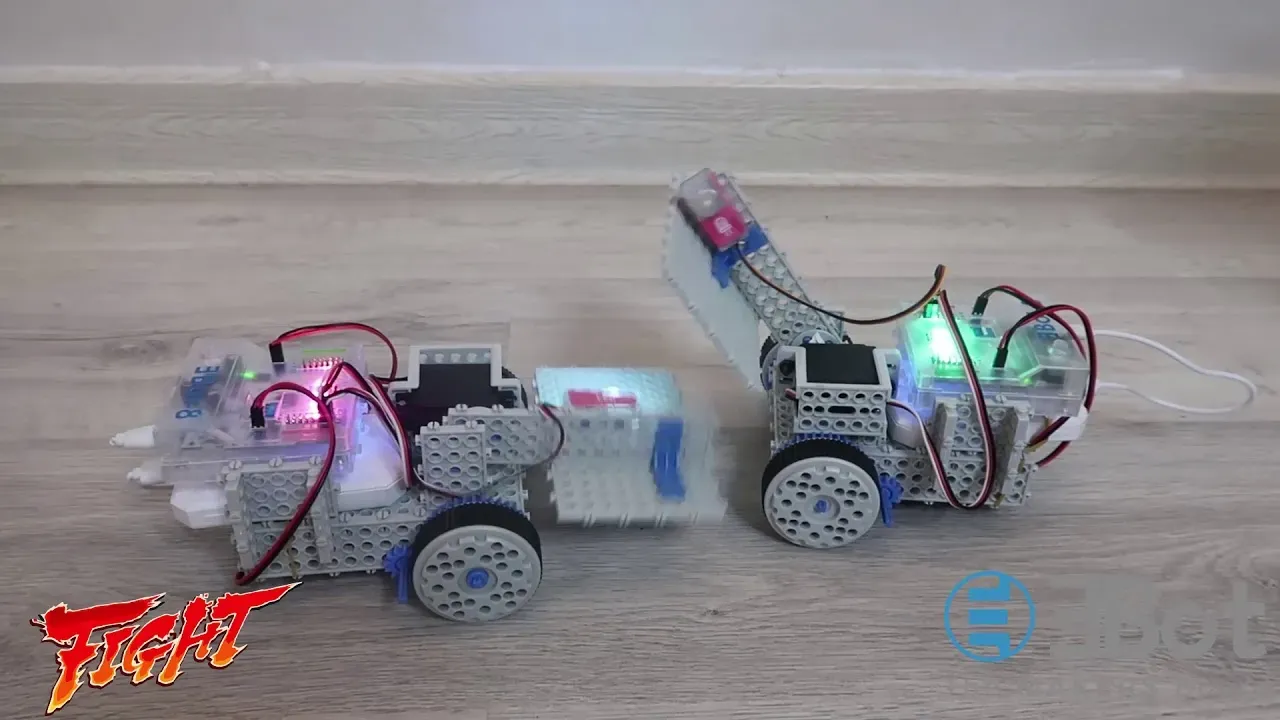
Here’s the kit in action: two robots built from EBot, fighting each other in a game.
And three of the starter kit builds, from Makers Academy’s EBot starter kit projects playlist:
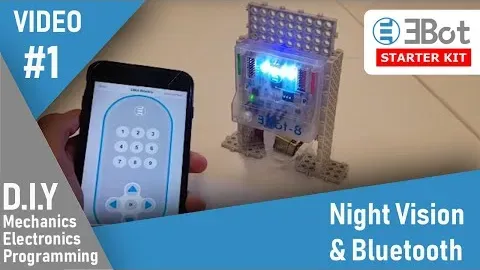 Night vision with Bluetooth: project 1, the first build in the kit.
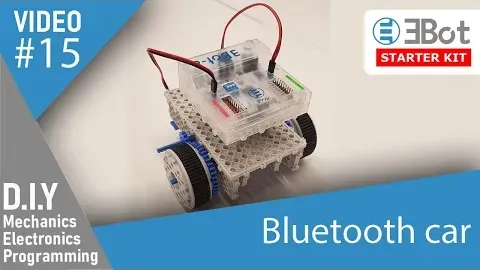 Bluetooth car: a car you drive from your phone.
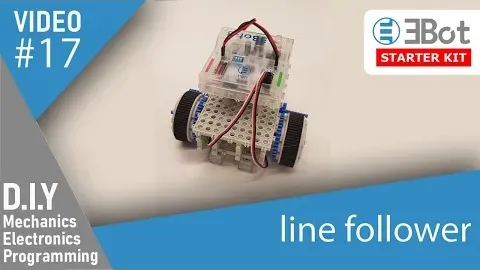 Line follower: a robot that follows a line on the floor.
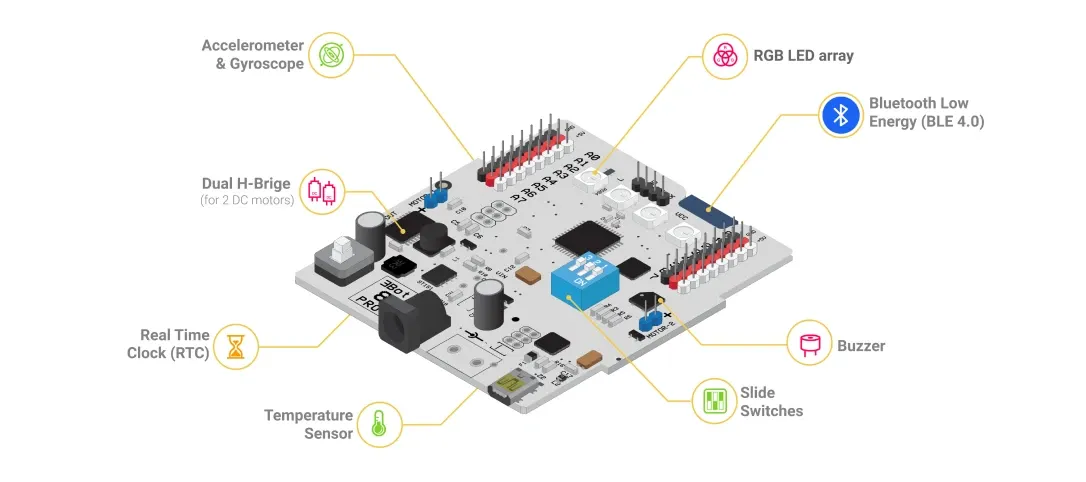
The EBot 8 Pro board packed a lot onto one PCB: Bluetooth LE, an accelerometer and gyroscope, a temperature sensor, a real-time clock, RGB LEDs, a buzzer and a driver for two DC motors.
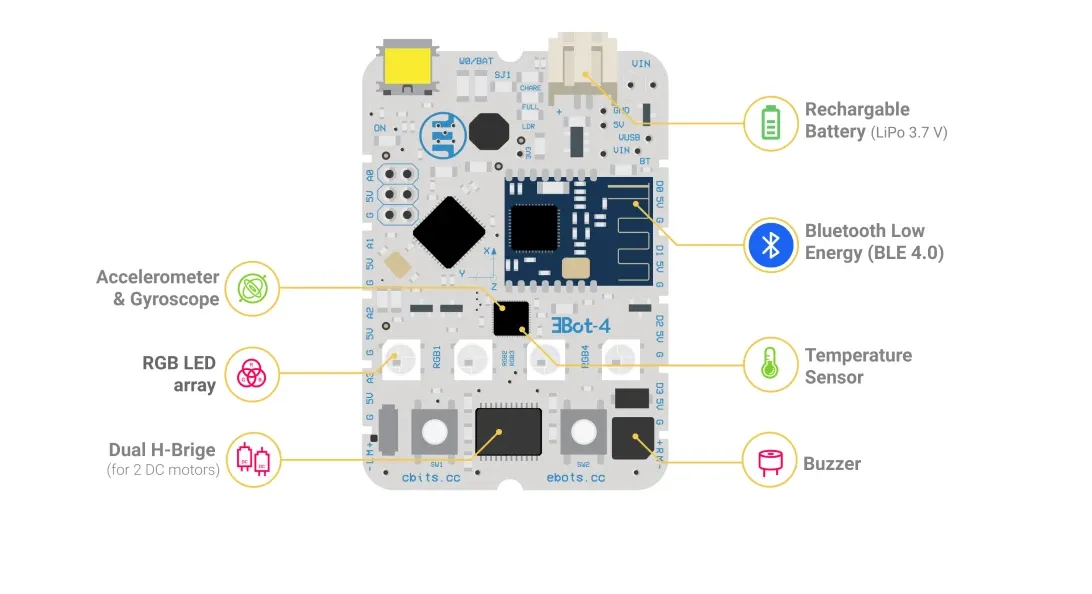
EBot 4 was the smaller sibling: the same idea on a smaller board, with its own rechargeable battery. It also came in a solar-powered version and an IoT version that connected the kit to the internet.
How was EBot programmed?
You program EBot by dragging blocks together, then pressing a button to upload the result over USB. The block editor was built on Google Blockly, so a first program looked like a stack of jigsaw pieces: “when the IR sensor sees something, play a note on the buzzer”.
The desktop app also had a code view, a serial monitor, a live data view for sensor readings, and a mode to control the board directly from the computer.
Under the hood, the board was built around an ATmega1284P, an 8-bit AVR chip, and was fully Arduino compatible. For students who outgrew the blocks, I maintained an Arduino IDE core for EBot boards, based on MightyCore. Add it to the Boards Manager and the same board runs plain Arduino C++. The board didn’t care whether the code came from blocks or from C++, which is more than I can say for some of the students’ first programs.
My role
As the first engineer, I worked on almost every layer of EBot, from the PCB up to the apps, together with the team as it grew.
- Hardware: the first job was the PCB. We designed it, built small prototypes locally, had a first batch of samples manufactured, and then moved to bulk orders. That covered the main boards (the bigger EBot 8, and EBot 4 with its solar charge controller) and the add-ons: colour sensors, distance sensors, servo motors, touch pads that could double as a joystick, and more.
- Firmware: we built the board firmware on top of Arduino, and added MicroPython support for EBot IoT.
- Software: we started with the desktop app. When more people asked for a mobile version, we built that too. I led the software development across both.
No compiler on a phone
The hardest problem was the mobile app. Compiling C++ on a phone is really hard, so we didn’t.
Instead, we built an interpreter. The app turned the Blockly program into a JSON-like structure and sent it to the board as a string over Bluetooth serial. The firmware read that string and carried out each action.
The workaround turned into a feature. Once the phone and the board spoke the same simple language, the phone’s own sensors and the sensors on the board could finally talk to each other.
Stack
- ATmega1284P (8-bit AVR) on a custom PCB
- Arduino core, forked from MightyCore
- C++ firmware, plus MicroPython on EBot IoT
- Google Blockly for drag-and-drop programming
- Mobile and desktop programming apps
- A Bluetooth serial command format, interpreted on the board
What impact did EBot have?
EBot was made in bulk: about 10,000 units in total, across the starter kit and the master kit. More than 100,000 students, makers and artists learned with it.
- Makers Academy, a training academy set up for EBot, ran its courses and workshops.
- Students trained on EBot in Kuwait, Dubai and Oman.
- We worked closely with Fab Lab Kuwait.
- It ran workshops at Maker Faire Kuwait and at one of Kuwait’s largest science museums.
Not bad for a box of bricks and one circuit board.
Awards
In 2015, EBot took first place at:
- the World Summit Awards
- the Arab Mobile Apps Challenge
- the International Invention Expo Middle East
The same year, it was shown at Expo Milano 2015.
Where to see EBot today
The videos are the best way to see what EBot was and how people used it. Most of them are in Arabic, but the robots speak for themselves.
Videos
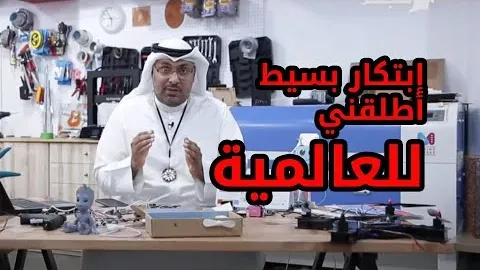 How EBot went from local to global: founder Ahmad Al-Saleh explains the product.
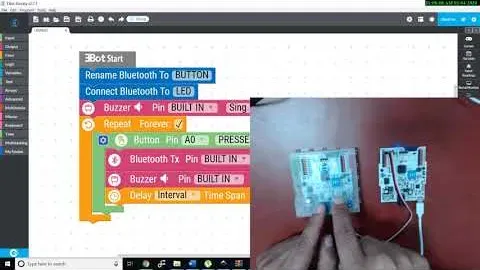 Learn EBot robotics: a full playlist of lessons, from basics to Bluetooth between boards.
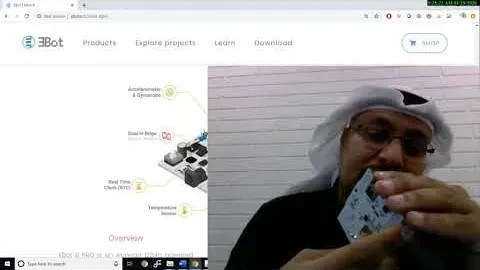 EBot lesson 1: the basics of the kit.
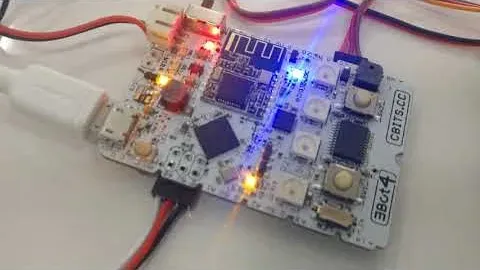 EBot 4 with solar energy: a quick look at the smaller, solar-powered kit.
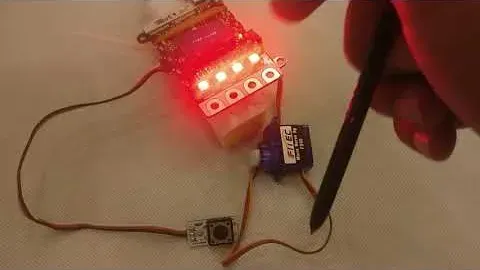 EBot 4 IoT: the internet-connected version.
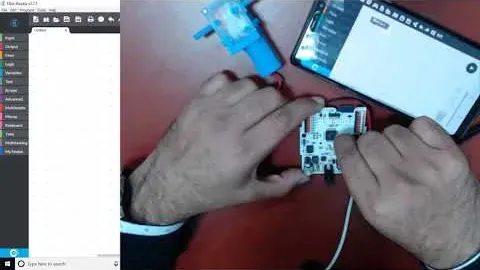 Bluetooth and mobile programming: Ahmad shows how to program and control EBot from a phone.
Training sessions
 Tatweer programme closing: the closing ceremony, with executive director Khalifa Al-Sanan.
 KSA Makers training on EBot: a workshop in Riyadh.
 du Innovation Challenge: EBot training for the challenge in Dubai.
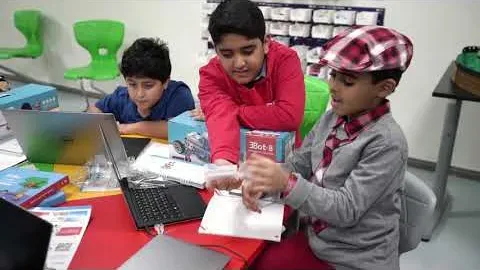 Hamdan Bin Rashid Award: an EBot robotics programme with the award.
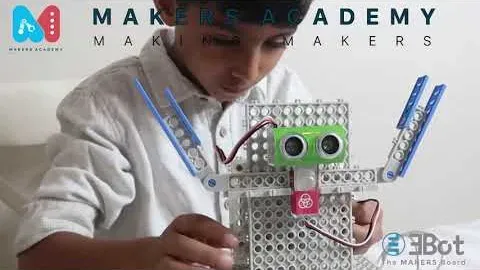 EBot training, level 1: first builds with the kit.
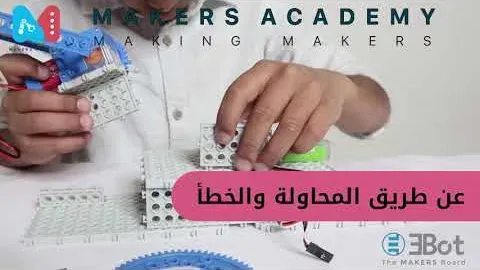 EBot training, level 2: learning by trial and error.
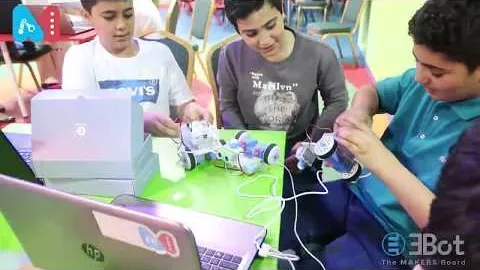 Kadooz at The Avenues, Kuwait: Makers Academy sessions in the mall.
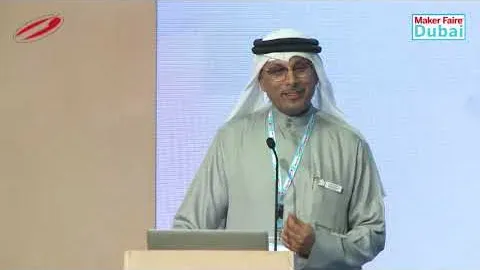 Maker Faire Dubai 2019: Makers Academy at the fair.
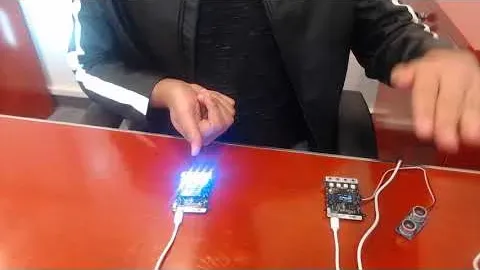 EBot IoT: connect two EBots: two IoT boards talking to each other.
There’s more on Makers Academy’s YouTube channel and Instagram.
Write-ups and code
- EBot on Arabic Wikipedia: the board, the software and the awards. There’s no English version.
- Fire Fly using EBot: a step-by-step build on Instructables.
- EBot at Armino Technologies: EBot’s page on the Armino Technologies site.
- EBot Arduino core on GitHub: the board definitions for the Arduino IDE.
For more about where EBot fits in my path, see the About page. For what I work on now, see Klarent.
Frequently asked questions
What was EBot?
EBot was a STEM education kit for building and programming robots, made in Kuwait between 2015 and 2022. One box held Lego-like bricks, gears, motors, sensors and a single controller board, enough for 15+ projects.
How did students program EBot?
With drag-and-drop blocks built on Google Blockly, on a phone or a computer. Students who outgrew the blocks could program the same board in Arduino C++.
How did the mobile app run programs without a compiler?
Compiling C++ on a phone is hard, so the app turned each Blockly program into a simple command string and sent it to the board over Bluetooth serial. The firmware read the string and carried out each action.
Is EBot still available?
No. EBot was discontinued in 2022, and its website is no longer live. The videos and write-ups linked on this page show what it was and how people used it.
What awards did EBot win?
In 2015, EBot took first place at the World Summit Awards, the Arab Mobile Apps Challenge and the International Invention Expo Middle East. The same year, it was shown at Expo Milano 2015.